Spin-to-Win Wheel Popups for Shopify: Email Capture & Compliance Setup (2025)
Spin wheel playbook with prize math, list-quality safeguards, UX patterns, and compliance tips.
James Chen
Shopify Partner · CXL Certified Optimizer · Former UX Lead at Fortune 500
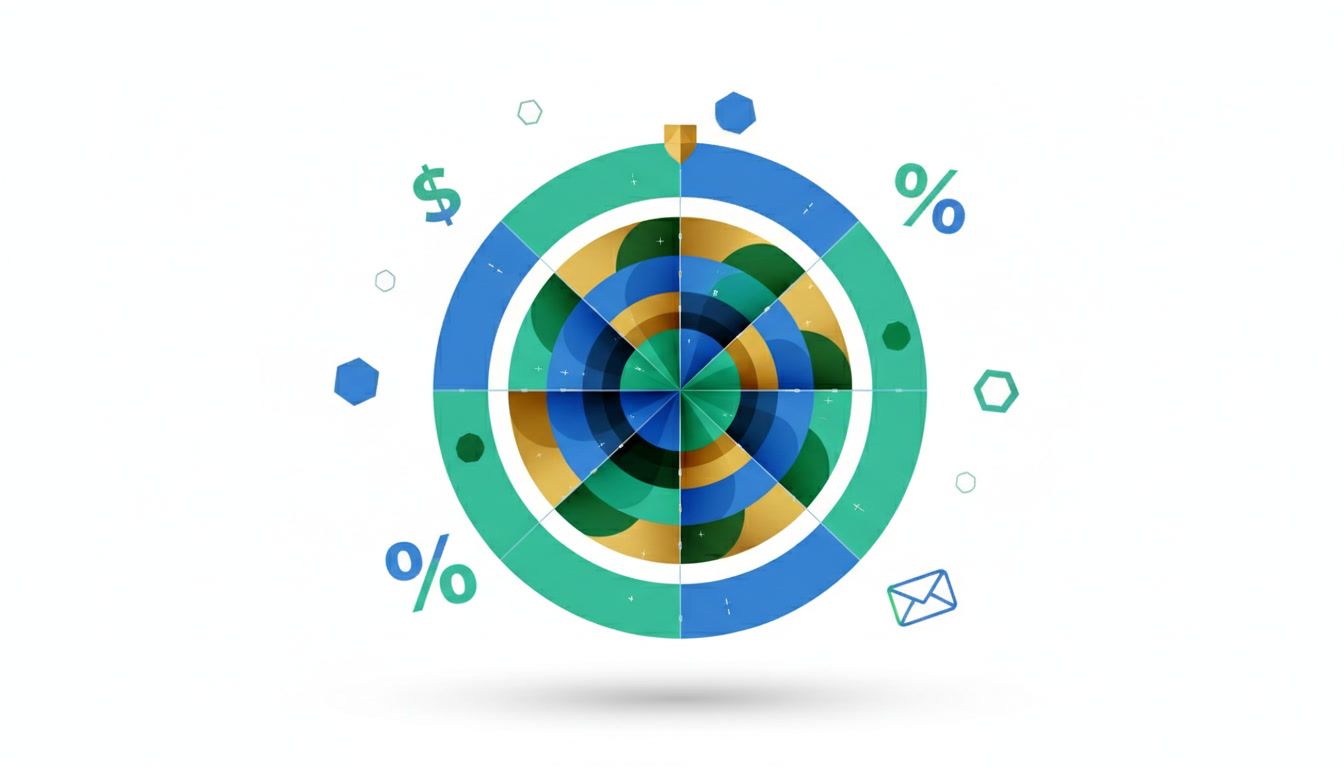
Spin-to-Win Wheel Popups for Shopify: Email Capture, Discount Strategy, and Compliance-Safe Setup (2025)
A spin wheel popup can feel like a gimmick—until you run the numbers. Done right, it’s one of the fastest ways to turn anonymous traffic into owned audience, without training customers to wait for discounts or filling your list with people who’ll never buy.
This guide is a conversion-focused playbook for Shopify teams in 2025: when a wheel beats a standard form, how to design prize math that protects margin, list-quality safeguards that keep your email/SMS healthy, and a compliance-safe setup that won’t create headaches later.
Why spin wheels work (and when they don’t)
The best spin-to-win wheels succeed for one reason: they reduce the “cost” of saying yes. A static pop-up asks for an email and offers a discount. A wheel turns that into a micro-game with anticipation and curiosity. People are surprisingly willing to trade an email for a chance at something.
Performance data backs this up. Wisepops’ analysis of 1B+ popup displays reports that spin-to-win popups convert 10.15% of visitors, outperforming traditional formats by a wide margin (Wisepops popup statistics). Shopify has also highlighted gamified sign-up formats as top performers, citing around 11% sign-up rates compared to more typical pop-up outcomes (Shopify landing page statistics).
That said, wheels aren’t universal.
Use a wheel when:
- You sell impulse-friendly products (beauty, accessories, gifts, home goods) and want quick list growth.
- Your AOV can support discount variety (small prizes + a few bigger “wow” outcomes).
- You’re trying to increase first-purchase rate, not just gather emails.
Skip the wheel (or delay it) when:
- Your brand relies heavily on premium positioning and strict price integrity.
- Your product has a long decision cycle; a content-led or quiz-style capture often fits better.
- You can’t control discount abuse (code sharing, repeat spins) or you won’t implement guardrails.
If you’re already running popups and want a broader framework for choosing formats, you’ll like this guide on boosting conversions with Shopify popups.
Wheel vs. standard email forms: a practical decision matrix
A wheel isn’t “better.” It’s optimized for a specific job: high-intent interruption with a stronger value exchange.
Standard email capture forms win when:
- You want cleaner list quality and less discount-led acquisition.
- You’re offering something informational (style guide, drop alerts, early access).
- Your UX needs to stay calm and minimal.
Spin wheels win when:
- You need conversion lift on cold traffic and want excitement.
- You can segment the offer (smaller prize for most, bigger prize for a few) without margin damage.
- You want a sense of fairness (“everyone wins something”) without a flat discount for all.
If your worry is brand perception, start here: email capture patterns customers don’t hate.
Prize math: design a wheel that grows revenue (not just coupon redemptions)
The wheel is a discount engine. Treat it like one.
The core metric: expected discount cost (EDC)
At a high level, you’re balancing two numbers:
- Incremental profit from captured subscribers who buy
- Cost of discounts you issue
The simplest way to sanity-check your wheel is expected discount cost per spin:
- For each prize slice:
Probability × Discount value (or $ cost) - Sum across slices = your average discount cost per spin
You can estimate discount value in dollars using your typical order value and gross margin. Example:
- AOV: $60
- Gross margin: 65% (gross profit per order ≈ $39)
- If you give 15% off, discount cost is ~$9 (ignoring second-order effects like increased AOV)
If your wheel converts 10% of visitors into subscribers (roughly consistent with larger benchmarks like Wisepops’ popup data), you can quickly estimate whether your discount cost is aligned with your subscriber-to-buyer rate.
A wheel structure that works in 2025
Most stores do best with a “small win” majority and a few rare exciting outcomes:
- 40–55%: 10% off
- 20–30%: 15% off
- 8–12%: Free shipping
- 3–6%: 20% off
- 1–3%: 25% off or free gift
- 5–10%: “No luck” / “Try again tomorrow” (optional, but handle carefully)
If “no luck” feels risky, replace it with a non-discount prize: “VIP drops,” “early access,” “bonus points,” or “mystery gift with purchase over $X.”
Add minimums to protect margin
Instead of bigger percentages, consider:
- “15% off orders $70+”
- “Free shipping over $50”
- “Free gift on orders $80+”
These prizes feel generous while pushing AOV and limiting discount cost.
Avoid the two common prize math mistakes
- Making the big prize too common. It inflates discount cost and trains customers to wait.
- Making the small prize too weak. People feel tricked and bounce; list quality and brand trust suffer.
If you want a tighter checklist for improving signup rates without ugly compromises, review these email popup best practices.
List-quality safeguards (so your wheel doesn’t pollute email performance)
A wheel can grow your list fast. That’s good—until deliverability drops, SMS complaints rise, or your first-purchase rate stagnates.
Here are safeguards that keep growth healthy.
1) Gate discounts behind a real email flow
Don’t just show a discount on-screen. Deliver the code via email (and SMS only with clear consent). This reduces fake submissions and creates the first “open/click” engagement signal.
2) Use double opt-in when list quality matters most
If you’re in a deliverability-sensitive phase (new domain, recent spam issues, high complaint rates), double opt-in can be worth it—even if it costs some volume.
3) Prevent repeated spins and code farming
- Cookie-based suppression (e.g., 7–30 days)
- One code per email address
- Unique codes with usage limits (1 per customer, expiration window)
4) Segment wheel leads immediately
Tag wheel subscribers differently from “content signup” subscribers so you can:
- Tailor welcome flows
- Monitor first-purchase conversion by source
- Adjust offer aggressiveness based on performance
5) Don’t ask for too much too soon
Email-only capture usually wins for conversion. If you also want SMS, do it as a second step (“Want a text reminder?”) with explicit consent language.
UX patterns that increase conversion without annoying people
Spin-to-win popups can convert and still feel respectful. The trick is timing and friction.
Timing that usually performs best
- After a small scroll (e.g., 15–30% down the page)
- After a short delay (e.g., 6–12 seconds)
- Exit-intent on desktop, combined with softer triggers on mobile
Many Shopify stores pair wheels with other smart triggers (like exit-intent and cart-based popups). If you’re comparing options, see our roundup of best Shopify popup apps for 2025.
Mobile-first wheel design
- Keep copy tight
- Make the wheel large enough to tap without zoom
- Avoid blocking close buttons
- Ensure the “spin” action is obvious and immediate
Copy that doesn’t feel scammy
Good wheel copy is specific and honest:
- “Spin for your welcome offer”
- “You’ll get a code by email”
- “Valid for 48 hours”
Avoid exaggerated claims (“Guaranteed huge prizes!”) unless your prize distribution genuinely supports it.
Use a clean, consistent visual style
Match your brand fonts and palette. A wheel can be fun without looking like a casino banner.
Compliance-safe setup (GDPR/CCPA friendly) without killing conversion
Discount popups can cross lines if consent isn’t clear. You can keep the wheel effective and still run a clean program.
A practical starting point is HelloBar’s overview of GDPR and CCPA requirements for popups, including consent and disclosure essentials (HelloBar compliance guide).
The essentials you should implement
1) Clear consent language
If you’re collecting email for marketing, say so plainly near the submit button. If you’re collecting SMS, you need separate, explicit consent language (and check local requirements). Keep it readable.
2) Easy access to your privacy policy
Link your privacy policy in the popup. Don’t hide it behind tiny text.
3) No pre-checked boxes
If you use checkboxes, default them to off.
4) Region-aware behavior
If you sell internationally, consider adapting consent text or opt-in behavior by region.
5) Data minimization
Ask for what you need. Email first. Anything beyond that should be optional or staged.
Technical setup on Shopify: a clean way to launch and iterate
Implementation is rarely the hard part—measurement and iteration are.
Step 1: Install and style the popup
Choose an app that supports:
- Wheel popups
- Unique codes and expiration rules
- Targeting (pages, device, traffic source)
- A/B testing
- Consent tools for GDPR/CCPA
If you want a broader comparison of tooling and features, this guide to Shopify popup apps for e-commerce is a solid reference.
Step 2: Set targeting and suppression rules
A strong default:
- Show only to new visitors
- Frequency cap: once per 7–14 days
- Exclude customers who already subscribed or purchased recently
Step 3: Connect your email/SMS platform
Ensure the popup passes the right metadata:
- Source tag (wheel)
- Prize won
- Coupon code issued
- Country/region if available
This makes it much easier to diagnose whether the wheel is generating buyers or just coupon collectors.
Step 4: Validate compliance elements
- Consent language matches what you actually send
- Privacy policy link works
- SMS consent is separate and explicit (if used)
Step 5: A/B test one variable at a time
Good A/B tests for wheels:
- Trigger timing (scroll vs delay vs exit-intent)
- Prize distribution (shift probability, not just “bigger discounts”)
- Email-only vs 2-step email + optional SMS
- Expiration window (24h vs 72h)
Revenue Boost is built around smart popups (including spin-to-win), targeting, and A/B testing, with GDPR-focused settings—so it fits well when you want to iterate without rebuilding everything each time.
Advanced plays: make the wheel feel personalized (without being creepy)
Match prizes to intent
- Product page visitors: emphasize free shipping or category-specific offers
- Blog visitors: lighter discount + content/value angle
- Returning visitors: smaller discount, stronger urgency window
Use a “soft win” instead of “no win”
If you really want a low-cost outcome, try:
- “Free returns for 30 days”
- “Members-only restock alerts”
- “Bonus entry for a giveaway”
These keep the experience positive while limiting direct discount costs.
Use time limits responsibly
Expiration works because it reduces procrastination. Keep it honest, enforce it, and don’t endlessly re-issue the same “48-hour” code.
Common mistakes that quietly tank results
- Offering one flat discount to everyone (you lose the wheel’s advantage)
- Too many slices (cognitive overload)
- No visible close button (mobile frustration)
- No segmentation (you can’t tell if it’s profitable)
- Discount codes that leak (customers share them, margin evaporates)
If you’re deciding whether to lean harder into email capture vs paid traffic, this perspective on capturing traffic before spending heavily on ads can help frame the economics.
FAQ
Do spin-to-win popups actually outperform normal popups?
Often, yes—especially for cold traffic. Large-scale benchmarks report strong conversion rates for spin-to-win formats, including findings from Wisepops and Shopify’s discussion of gamified signups (Shopify). Your results still depend on offer, timing, and audience.
What discount should I offer on my wheel?
Start with a majority “small win” (10–15%) and make the bigger prizes rare. Add minimum order thresholds to protect margin. Then adjust based on first-purchase rate and profit, not just signup volume.
How do I keep wheel leads from lowering email list quality?
Send the code by email (not just on-screen), cap spins, use unique codes, and tag wheel subscribers separately. If deliverability is a concern, consider double opt-in.
How do I keep a wheel popup compliant with GDPR/CCPA?
Use clear consent language, link your privacy policy, avoid pre-checked boxes, and collect only what you need. For a practical checklist, see HelloBar’s compliance guide.
A simple launch checklist (so you can ship this week)
- Prize distribution set with expected discount cost in mind
- Unique, expiring codes with usage limits
- Targeting: new visitors + sensible frequency cap
- Email-first capture (optional SMS step with explicit consent)
- Tags/segments for wheel subscribers and prize outcomes
- A/B test plan (one variable at a time)
If you want a spin-to-win wheel that’s conversion-focused, brand-respectful, and compliance-aware, Revenue Boost is a strong fit—especially if you care about targeting and A/B testing as much as you care about the popup design. You can check it out at https://revenue-boost.app.
About James Chen
Shopify Partner · CXL Certified Optimizer · Former UX Lead at Fortune 500
James is a Shopify developer and conversion rate optimization expert. With a background in UX design and data analytics, he helps merchants maximize their store performance through strategic popup implementations and A/B testing.
Ready to boost your conversions?
Get started with Revenue Boost in 60 seconds.
Install on Shopify - Free